Impact through sport, fitness and lived experience.
MEM Academy CIC uses sport and fitness to engage young people who face barriers to opportunity, wellbeing and positive activity. Our work supports at-risk and vulnerable young people aged 11–21 through structured physical activity, mentoring, confidence-building, accredited learning pathways, work placements and progression support.
Our current delivery focuses on community sport, youth prevention, wellbeing, NEET progression and prison resettlement support. This page shows where we deliver, what we measure and how funders help us create safer, healthier and more active communities.
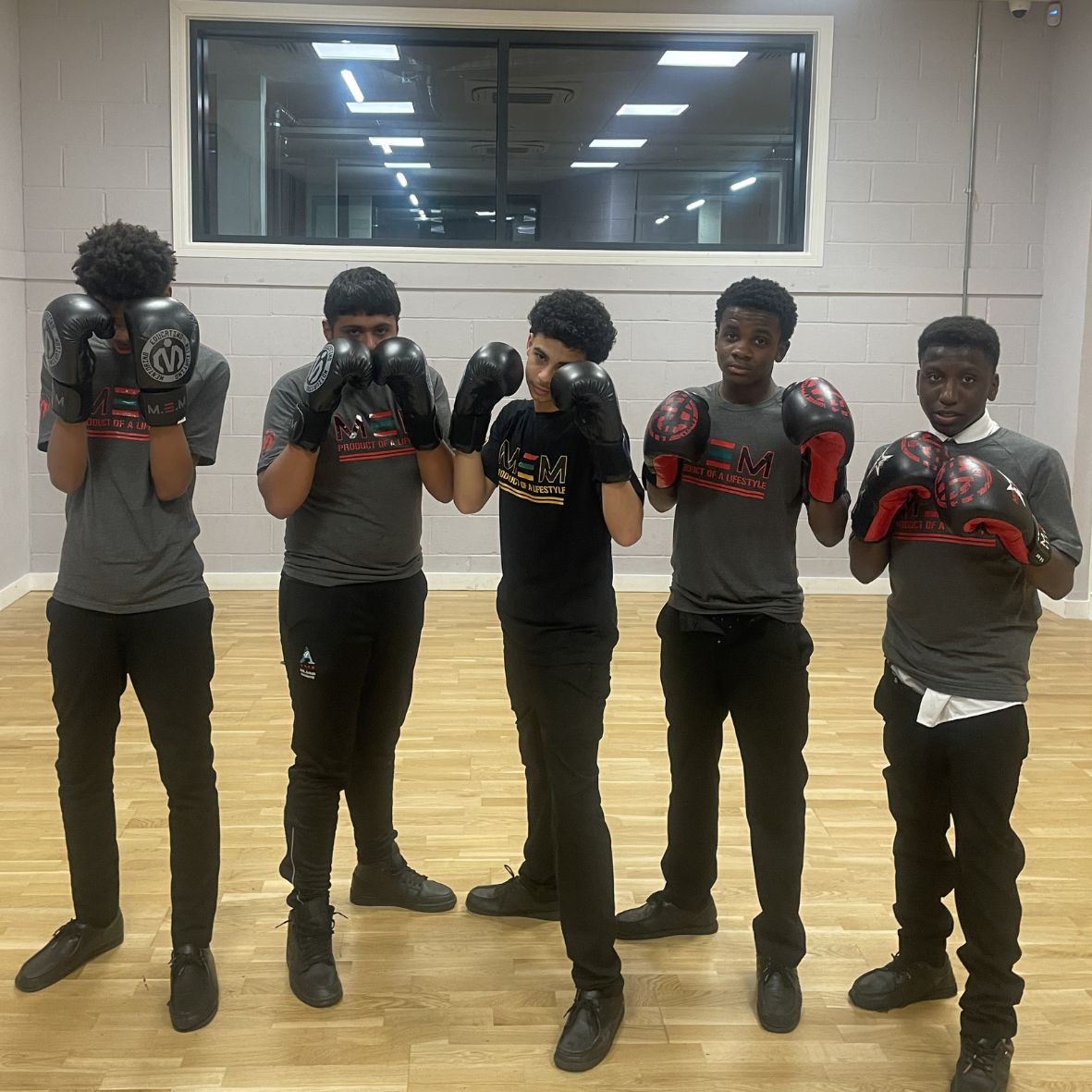
Delivery focus: non-contact boxing, fitness, mentoring and progression — activating underused community spaces across Ealing and Brent.
Fitness as the doorway. Lived experience as the credibility.
MEM Academy is a community delivery organisation using sport, fitness and lived experience to engage young people who are often missed by mainstream provision. Our sessions create safe, structured spaces where young people can build confidence, routine, physical fitness, emotional regulation and trust with relatable coaches.
Sport and fitness engagement
Structured non-contact boxing, basketball, calisthenics, strength and general fitness sessions delivered weekly in community venues.
Lived-experience coaching
Relatable coaches and mentors who understand the communities we serve and can build trust with young people quickly.
Pathways beyond sessions
Support into accredited courses, volunteering, work placements, employment routes and positive identity.
Sporting Impact
A 3-year sport, fitness and mentoring project across Brent and Ealing.
Sporting Impact is MEM Academy CIC’s non-contact boxing and fitness programme engaging inactive young people aged 13–19 across Brent and Ealing. The project activates underused community venues in priority neighbourhoods and provides young people with structured sport, mentoring and progression support.
Programme details
Delivery model
Each site receives weekly structured activity. The model is designed to engage inactive young people who may not access traditional sport, especially those facing barriers linked to deprivation, social isolation, anti-social behaviour, youth violence, low confidence or lack of inclusive provision.
Activating places where young people already are.
Sporting Impact activates underused community spaces by bringing structured sport and fitness directly into neighbourhoods where young people already have relationships, trust and access. Many of these venues are not used consistently for sport, despite being located in areas affected by youth inactivity, social isolation, anti-social behaviour and deprivation.
The project builds on previous community delivery and continues work at sites including Bashley Road Travellers Site and youth/community venues across Ealing and Brent. Delivery locations have been shaped through relationships with youth services, centre managers, local stakeholders and feedback from young people.
“Young people consistently asked for boxing during taster sessions. Sporting Impact responds to that demand through safe, non-contact boxing and fitness activities that build discipline, confidence and routine.”
Who Sporting Impact supports
We work primarily with young people who face barriers to traditional sport and positive activity. This includes young people from Black, Asian and racially minoritised communities, underprivileged households, Traveller communities, estates and priority neighbourhoods.
How young people are referred
Referrals and engagement come through local youth services, community partners, youth centre staff, trusted outreach, schools, local stakeholders and existing relationships with young people and families.
- Ealing Young Offending Service
- Area Youth Service Manager — West Ealing and Southall
- Integrated Youth Service Coordinator — Acton
- Connect Stars at the Unity Centre
- Youth centre managers and local community partners
- MEM coaches and outreach staff
Standards and partners
Membership and standard references that underpin our delivery, alongside the local partners and infrastructure we work with.
What funding supports
Explore our impact evidence
Fund sport, fitness and opportunity where it is needed most.
MEM Academy works with funders and community partners to deliver sport, fitness, mentoring and progression pathways for young people who face barriers to opportunity. Funding helps us keep sessions free, activate underused spaces, support lived-experience coaches and evidence the impact of community-led prevention.